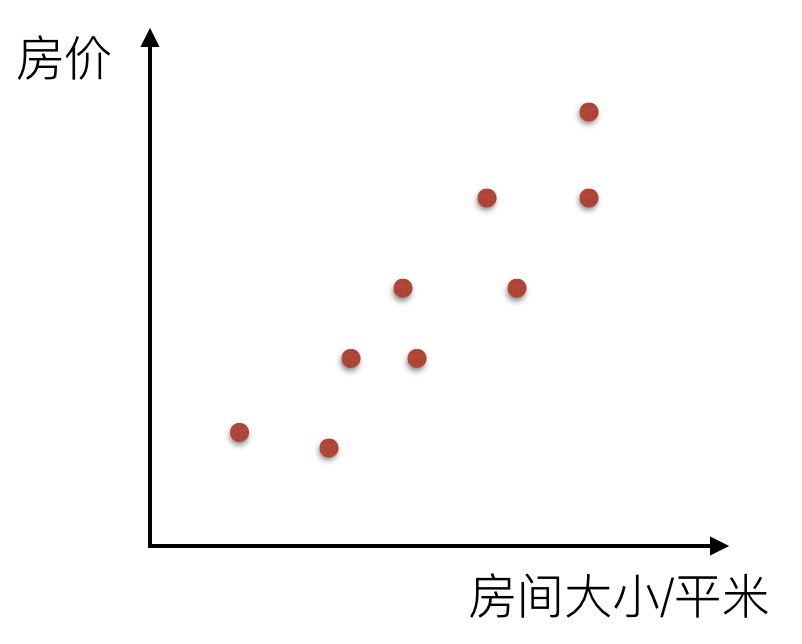
Regression Algorithms Regression is one of the most powerful tools in statistics. Supervised learning algorithms in machine learning are categorized into classification and regression algorithms, defined by whether the label distribution is discrete or continuous. Regression algorithms are used for...
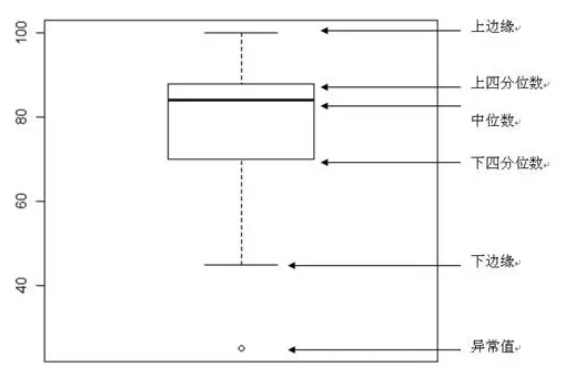
Real-world datasets are rarely ready for immediate model training. They frequently contain missing values, inconsistent formatting, and significant noise or outliers. When algorithms process low-quality input, the resulting predictions degrade substantially. Preprocessing transforms raw information...
Understanding the KNN Algorithm The K-Nearest Neighbors (KNN) algorithm is a non-parametric method used for classification and regression. In the context of classification, it operates on a simple principle: similar data points tend to belong to similar categories. The process involves a training da...
In the previous discussion we examined visual analytical methods for clustering, which helped us better understand relationships and structures within data. Now we turn to practical applicaiton, using the classic K‑means algorithm to train and evaluate a clustering model. Building the Model K‑means...
Understanding Decision Coding in Cybersecurity Decision coding represents an advanced approach combining artificial intelligence and machine learning to automate complex security decisions. This methodology proves particularly effective in identifying threats, forecasting incidents, and refining pro...
Supervised Learning ParadigmsSupervised learning algorithms map input features to known target variables. When the target consists of discrete categories, the task is defined as classification. When the target is continuous, it is a regression task. Unsupervised learning operates on data lacking tar...
The Ames Housing dataset compriess 2,930 property records across Iowa, featuring 82 distinct attributes spanning nominal, ordinal, discrete, and continuous scales. Each record corresponds to residential sales between 2006 and 2010. Target variable: SalePrice. The dataset is partitioned into a primar...
Visualizing Decision BoundariesGenerating a meshgrid over the feature space allows for the visualization of how a classifier partitions the data. The following function maps predictions across a dense grid and overlays the true data points.import numpy as np import matplotlib.pyplot as plt import ma...
The 38th conference of the Association for the Advancement of Artificial Intelligence (AAAI) took place from February 20 to 27 in Vancouver, Canada. As a premier event in the field of artificial intelligence, AAAI 2024 continued its trend of high submission volume, receiving 12,100 papers for the ma...
Supervised vs. Unsupervised Learning Classification models operate under supervised learning, relying on labeled datasets to train predictive outcomes. Conversely, clustering algorithms function within unsupervised learning, extracting hidden structures from data without predefined labels. Implement...