Core CSS Concepts CSS serves as the presentation language for web pages. It encompasses two primary areas: (1) Style computation involving declarations, cascading, inheritance, and default values. (2) Visual formatting model, which governs layout rules determining how page boxes arrange themselves t...
Day One Initialize a new NPM project (follow the prompts): npm init Install TypeScript, TSLint, and Node.js type definitions: npm install -s typescript tslint @types/node Create a file named tsconfig.json in the root directory and add the following configuraton: { "compilerOptions": { &quo...
Core CSS3 Concepts and Styling Techniques Basic Selectors Universal Selector * { margin: 0; padding: 0; } Element Selector div { } p { } ID Selector #uniqueId { } Class Selector .header { } Multiple Classes <element class="class1 class2 class3"> Compound Selector .tooltip.active { }...
/* Global Reset and Typography */ body { margin: 0; font-family: 'Segoe UI', Tahoma, Geneva, Verdana, sans-serif; background-color: #eef2f5; color: #333; line-height: 1.6; } /* Layout Wrapper */ .page-wrapper { max-width: 1200px; margin: 0 auto; padding: 20px; background-color: #fff; box-shadow: 0...
An HTML document begins with a <!DOCTYPE html> declaration followed by a root <html> element that encloses <head> and <body> sections. The <head> contains metadata such as character encoding and the page title, while the visible content resides inside <body>. Stru...
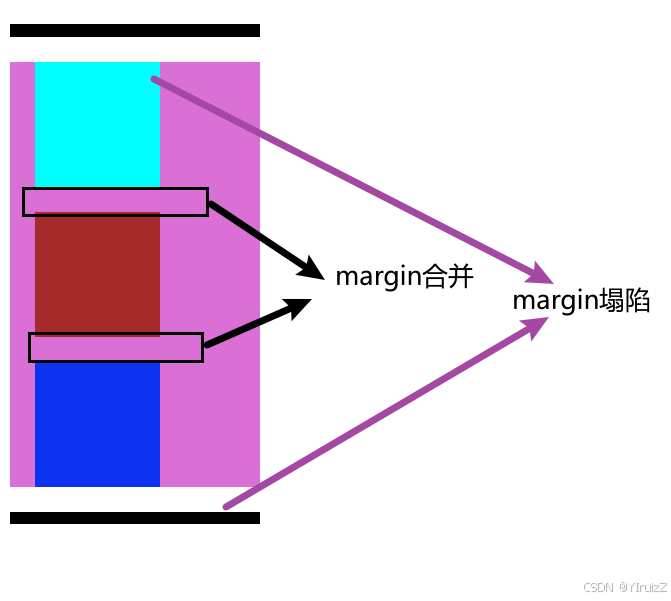
Table of Contents Inline Boxes and Block Boxes What is BFC? When to enable BFC? How to enable BFC? Code Demonstration Margin Collapse Margin Merging How to solve margin merging and margin collapse Height Collapse Before explaining BFC, let's briefly talk about inline boxes and block boxes. 1. Inline...
When elements are removed from the normal document flow via the float property, parent containers often fail to calculate their height correctly. This phenomenon, known as height collapse, disrupts subsequent layout structures. Consider a standard two-column layout where a sidebar sits next to main...
The Android Support Library provides a powerful set of percent-based layout containers that allow developers to define view dimensions as percentages of the parent container. This approach simplifies responsive UI design by eliminating the need for complex nested weight calculations. Setup Add the p...
The Holy Grail layout refers to a classic webpage structure with a header, footer, and a central content area flanked by two sidebars, typically requiring the main content to be prioritized in the HTML source. Implementation Using Float <body> <div class="site-header">Site Head...
Core Layout Mechanism in Views The layout() method is responsible for positioning a View on the screen by establishing its boundaries through four critical parameters: mLeft, mTop, mBottom, and mRight. These values define the rectangular area occupied by the View. When examining the internal impleme...