Custom Authorization Attribute The following implementation extends AuthorizeAttribute to manage custom authentication logic: public class CustomAuthAttribute : AuthorizeAttribute { public override void OnAuthorization(HttpActionContext actionContext) { if (SkipAuthorization(actionContext) || IsAuth...
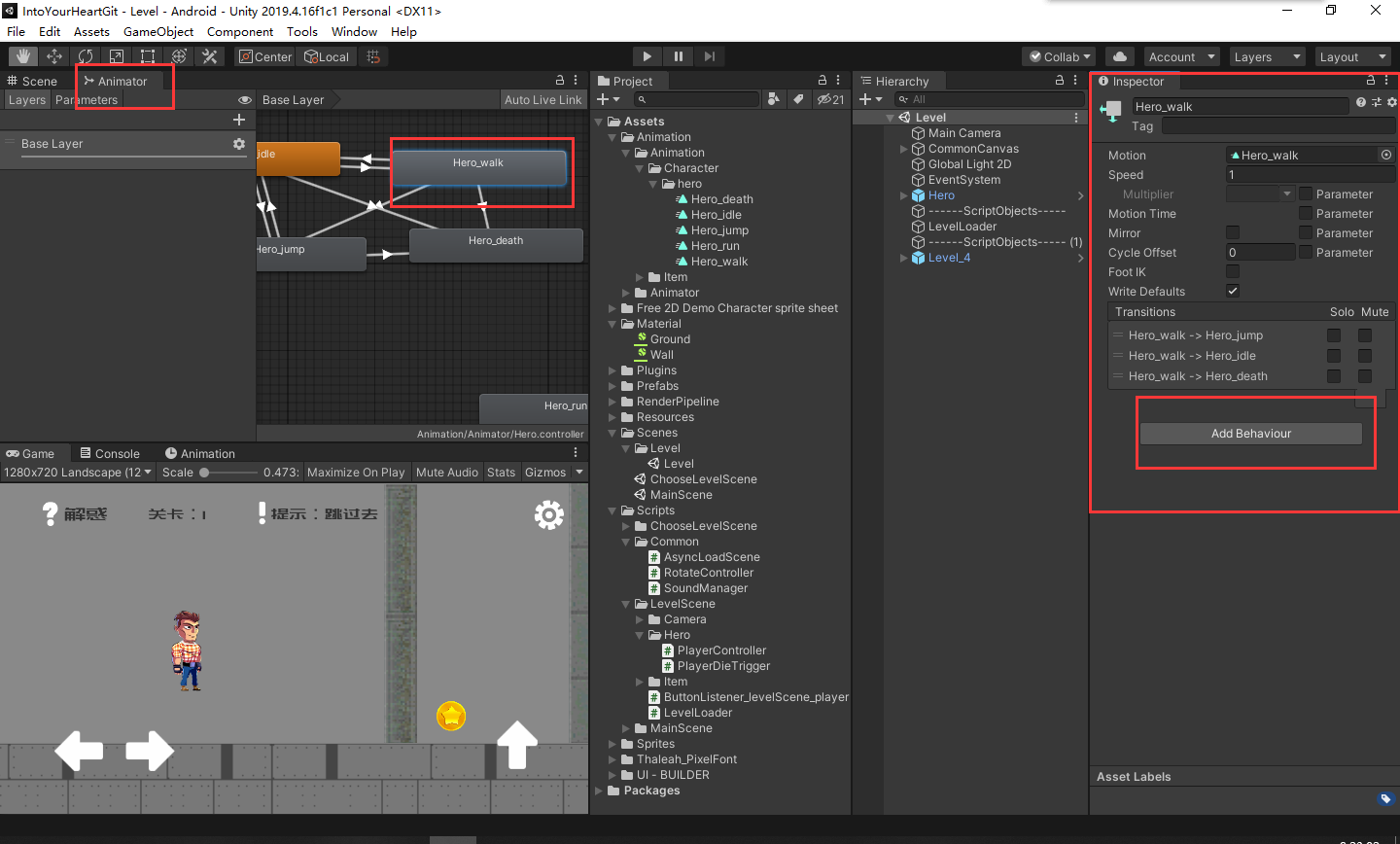
Unity StateMachineBehaviour Overview In Unity's Animator, you can add custom behavior to individual animation clips by clicking Add Behaviour. This attaches scripted logic that executes during that specific animation state. Once created, the default script structure looks like this: using System.Col...
DesignTime and RunTime: A Practical Demonstration In a previous discussion, we explored the concepts and differences between DesignTime and RunTime modes in .NET component development. While that article established the theoretical foundation, it lacked concrete code examples to illustrate these con...
Extension methods enable developers to augment existing types with new functionality—without altering the original type’s source code, inheriting from it, or recompiling its assembly. This feature is especially valuable when working with sealed or framework-provided types like string, DateTime, or D...
Enterprise dashboards and SaaS applications frequently require robust data extraction capabilities. While traditional spreadsheet formats remain popular, comma-separated values (CSV) are often prefrered when the primary objective is lightweight data transport, rapid parsing, or strict schema indepen...
This example demonstrates a production-ready Redis integration in C# using connection pooling and generic cache operations. The implementation separates concerns across three core components: connection management, cache abstraction, and application usage. Application Entry Point namespace RedisDemo...
namespace CloudStorageUpload { public class FileUploadService { private static FileUploadService _instance; private static ConcurrentQueue _uploadQueue = new ConcurrentQueue(); private static int _activeTasks; private static readonly int MaxConcurrentTasks = 2; private Thread _workerThread; private...
Grasping Dependency Inversion Consider a ProductList component that uses a service class, creating the service instance with the new operator as shown in Listing 5-1. Listing 5-1 Component Using ProductsService @using Dependency.Inversion.Shared @foreach (var product in productsService.GetProducts()...
What is a Thread? A process serves as the fundamental unit of program execution in an operating system, holding resources for applications. Processes contain threads, and process resources are shared among threads. However, threads themselves do not own resources independently. Foreground Threads v...
Naming Conventions and Automatic Flattening AutoMapper operates on a convantion-driven approach. For seamless translation between two objects, the source and destination properties must share identical names and compatible data types. When dealing with nested object graphs, the library supports auto...