Dynamic Notification DispatchingTo build a system that supports multiple notification channels (like SMS, Email, and Push Notifications) and allows quick switching via configuration, we can use dynamic module importing combined with an abstract base class.Create an abstract base class in services/no...
Documentation Resources Chinese Documentation: http://docs.jinkan.org/docs/flask/ English Documentation: http://flask.pocoo.org/docs/0.11/ Requirements File Management In a virtual environment, generate dependencise with version numbers: pip freeze > requirements.txt Example requirements.txt cont...
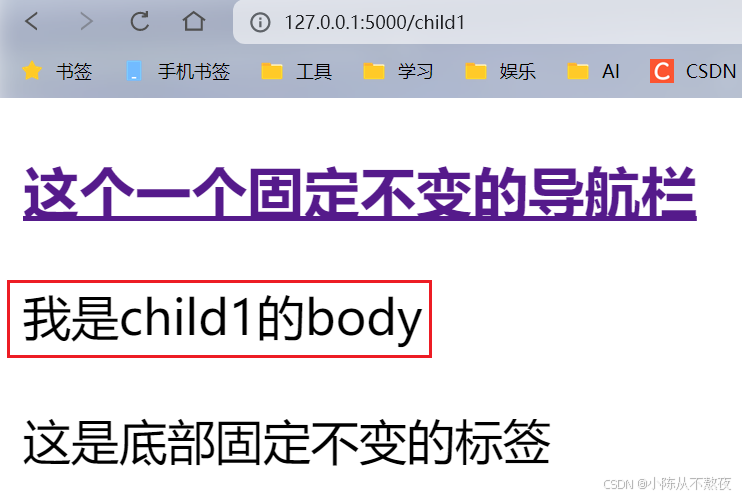
Introduction Templaet inheritance is a key concept in Jinja2, allowing you to define a base template with common layout and blocks that child templates can override. It promotes code reuse and maintainability. Code Exapmles Base Template: base.html <!DOCTYPE html> <html lang="en"&...
A Q&A platform built with Flask relies on mutliple HTML pages for user registration, login, question submission, list display, and detailed view. Each template extends a common layout and uses Jinja2 to inject dynamic content while maintaining a consistent Bootstrap-based styling. The template b...
Understanding the WeChat Web Login Flow The WeChat web login process relies on QR code scanning and long-polling mechanisms. The official entry point is accessible via: https://login.wx.qq.com/ Generating Authentication Tokens Each QR code generation requires a unique identifier. The token retrieval...
Web applications rely heavily on HTML forms to capture user input and transmit it to backend servers. In the Flask ecosystem, managing these forms securely and efficiently is streamlined through the Flask-WTF library, which wraps the WTForms package. This integration simplifies data rendering, valid...
The web aplication exposes a /read endpoint that accepts a url parameter and fetches its content using urllib.urlopen. Direct use of file:// is blocked by a regex that matches strings starting with file, but the scheme local_file:// bypasses this filter because the check uses ^file.* without conside...
Flask provides the url_for() function to dynamically generate URLs for view functions instead of hardcoding them. This approach offers two key advantages: it avoids the need to update URLs manually across the codebase if routes change, and it automatically handles URL escaping for special characters...
Flask-Script extends Flask applications by integrating a command-line interface. It enables developers to execute external tasks directly from the terminal, such as launching development servers, running database migrations, scehduling background jobs, or invoking custom utility functions outside th...
Establish a standard directory layout to separate static assets, templates, and application logic. A typical organization includes: static/: Stores CSS, JS, and image files. templates/: Holds HTML templates processed by Jinja2. app.py: The main entry point for the WSGI application. modules/: Additio...