Virtual Functions A function becomes virtual when prefixed with virtual. class BaseClass { public: virtual void operation() {}; // This is a virtual function }; Inheritance of Virtual Functions Virtual function inheritance embodies interface inheritance, where the function signature (including retur...
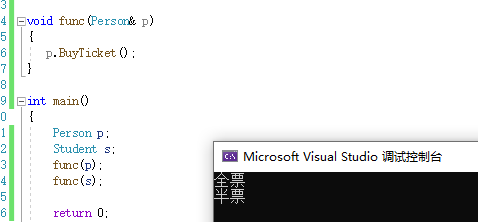
Core Prerequisites for Polymorphic Behavior Runtime polymorphism in C++ requires two simultaneous conditions. First, a base class method must be marked virtual and subsequently overridden in a derived class. Second, the invocation must occur through a base class pointer or reference. When these cond...
Polymorphism is a core principle of object-oriented programming in C++. It enables different behaviors through a common interface. There are two primary forms of polymorphism: Static Polymorphism (Early Binding): Achieved through function overloading and operator overloading. The function address is...
Consider the behavior of default arguments combined with virtual function overrides: class BaseClass { public: virtual void DisplayValue(int val = 10); }; void BaseClass::DisplayValue(int val) { std::cout << "BaseClass::DisplayValue, val = " << val << std::endl; } class D...
Polymorphism enables objects of different classes to be treated as objects of a common base class, allowing the same function call to produce different behaviors depending on the object type. For example, consider a ticket purchasing system where a regular person pays full price, a student pays half...