#ifndef MRUI_H #define MRUI_H #include <Windows.h> /** * Allocate a block of heap memory. * * @param dwBytes Number of bytes to allocate. * @return Pointer to the allocated memory, or NULL on failure. */ EXTERN_C LPVOID mruiMemAlloc(SIZE_T dwBytes); /** * Free a previously allocated memory blo...
Memory Layout of Arrays Examining the memory allocation and addressing of one-dimensional and two-dimensional arrays. #include <stdio.h> #define DIM1 4 #define DIM2 2 void display_1d_array(int arr[], int len) { printf("Array size in bytes: %lu\n", sizeof(arr)); for (int idx = 0; idx...
Build Systems: Make versus CMakeWhile GCC serves as the standard compiler suite for C, C++, and other languages, manually invoking compilation commands becomes unwieldy for projects containing numerous source files. Build automation tools like GNU Make solve this by processing rule-based instruction...
The C programming language is a powerful, general-purpose language widely used for system-level programming and application development. It was designed to provide efficient memory manipulation, generate minimal machine code, and operate without extensive runtime support. Despite offering low-level...
The strftime() function in the C standard library is a powerful tool for converting time and date information into a human-readable string based on specific formatting rules. It provides a highly flexible way to represent calendar time stored in a struct tm object. Function Signature size_t strftime...
Memory Architecture and AddressingConsider a large warehouse divided into storage units. Without a numbering system, locating a specific package would be incredibly inefficient. By assigning a unique number to each unit, retrieval becomes instantaneous. Computer memory operates on a similar principl...
C is a structured programming language built upon three fundamental patterns: sequential execution, selection, and repetition. The language provides dedicated constructs for each pattern. Selection is implemented through if and switch, while repetition is handled by for, while, and do while. A state...
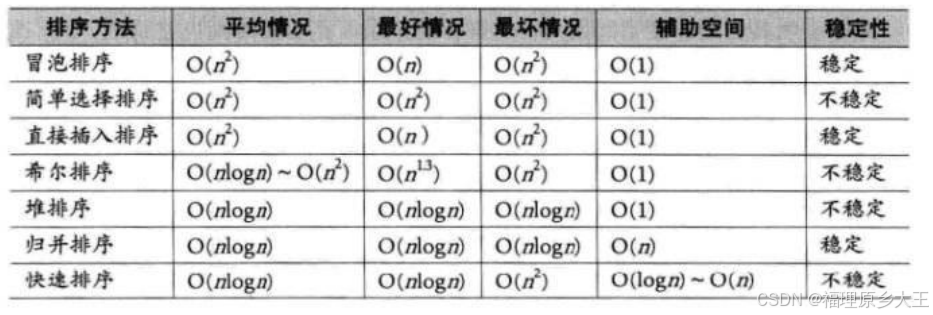
Concept of Sorting Sorting: The process of arranging a sequence of records in increasing or decreasing order based on one or more keys. Stability: If two records have equal keys and their relative order is preserved after sorting, the algorithm is stable; otherwise, it is unstable. Internal Sorting:...
In C programming, direct memory manipulation grants unparalleled control but demands rigorous discipline. Understanding the underlying memory architecture and lifecycle management is essential for preventing undefined behavior, resource exhaustion, and security vulnerabilities. Memory Architecture S...
Static Libraries A static library essentially functions as an archive of object files (ending in .o). During the linking process, the specific code required from the library is directly embedded into the final executable binary. Key Characteristics Large Disk Footprint: Since the library code is cop...