Static asset caching in browsers often creates deployment challenges when updated JavaScript files retain stale versions. Implementing version identifiers ensures clients recieve the most recent code while maintaining caching benefits for unchanged resources. Server-Side Timestamp Injection For appl...
Handling large file uploads in web applications can be challenging due to potential timeouts and buffer limitations. A common and robust solution involves breaking down the file into smaller chunks on the client-side and uploading them sequentially to the server. Core Concepts: File API: Modern brow...
The Event Bus pattern serves as a centralized hub for communication between components that do not share a direct parent-child relationship. While state management libraries like Vuex or Pinia are recommended for complex applications, the Event Bus is an effective lightweight solution for simple dat...
When implementing an Anhui province map in ECharts, the built-in version contained outdated administrative boundaries including Chaohu City, which was no longer acceptable. The ECharts Map Data Tool (http://ecomfe.github.io/echarts-map-tool/) provided updated GeoJSON data for Anhui province. Initial...
Implementing text copy to the clipboard on web pages requires handling browser-specific behaviors. Older methods like document.execCommand() are deprecated and should be replaced. The modern Clipboard API is a preferred alternative but requires fallbacks for compatibility. 1. Fallback Copy with Text...
Core Libraries APlayer serves as a lightweight, highly customizable HTML5 audio engine, while MetingJS acts as an API wrapper that dynamically fetches tracks from major streaming platforms. Together, they enable seamless music embedding without managing local assets. Configuration Parameters MetingJ...
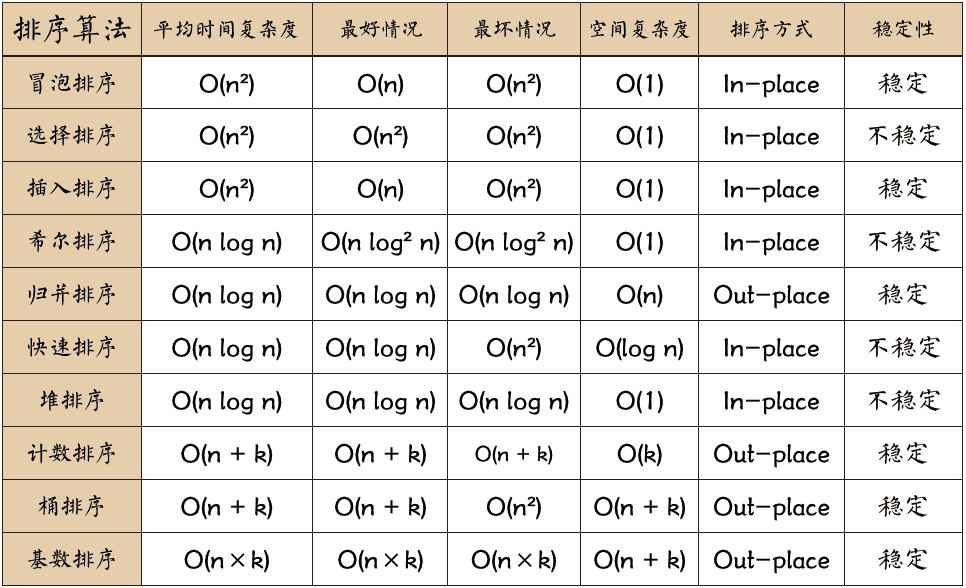
Bubble Sort Two-pointer loop, swap when out of order, until the desired element floats to the boundary. function bubbleSort(arr) { const n = arr.length; for (let i = 0; i < n; i++) { for (let j = 0; j < n - i - 1; j++) { if (arr[j] > arr[j + 1]) { [arr[j], arr[j + 1]] = [arr[j + 1], arr[j]]...
Evolution of JavaScript Module Systems Modern web applications have evolved from simple static pages to complex single-page applications (SPAs) resembling desktop software. This shift demands sophisticated JavaScript handling, challenging traditional development approaches. The Problem with Script T...
ArrayBuffer and DataView Fundamentals JavaScript exposes raw binary storage through the ArrayBuffer object, a fixed-length byte buffer whose cnotents cannot be accessed dircetly. To read or write data, wrap the buffer in a view such as DataView, which offers low-level, endian-aware methods for all c...
Project Initialization Begin by scaffolding a new application using the Vue CLI toolchain. # Initialize project (select options as required for your environment) npm create vue@latest # Navigate to project directory cd <project-name> # Install dependencies npm install # Start the development s...